
Keeping a garden healthy and looking its best isn’t just about cutting the lawn. A professional garden maintenance visit follows a structured routine that improves plant health, keeps growth under control, and prevents small issues (weeds, pests, irrigation problems) from becoming expensive fixes.
Below is a clear, homeowner-friendly checklist of what’s typically included in a professional garden maintenance visit: plus what might be added depending on your garden and the season.
Why a “checklist visit” matters
Professional garden maintenance works best when it’s repeatable and systematic. A good gardener doesn’t just “do what looks needed”; they follow a consistent process that:
- Improves your garden’s appearance every week/fortnight
- Supports long-term plant health
- Prevents weeds and pests from taking hold
- Keeps hedges, shrubs, and trees safe and manageable
- Reduces emergency clean-ups and last-minute callouts
The Professional Garden Maintenance Checklist
1) Quick walk-through & priorities (5–10 minutes)
A professional visit usually starts with a fast inspection to spot:
- Areas that have grown faster than normal
- Signs of pest activity, disease, or plant stress
- Irrigation leaks or dry patches
- Wind / storm damage, fallen branches, broken stakes
- Safety hazards (loose paving, thorny growth encroaching on paths)
Why it matters: This sets priorities so the visit focuses on what makes the biggest difference visually and horticulturally.
2) Lawn care (if you have grass)
Typical tasks:
- Mowing (with height adjusted for season)
- Edging along borders, paths, and beds
- Trimming around trees, irrigation heads, and obstacles
- Collecting clippings or mulching (depending on your setup)
Pro tip: In hot weather, cutting the lawn too short can cause stress and brown patches. A professional adjusts the mowing height accordingly.
3) Beds & borders: weeding and shaping
Typical tasks:
- Hand-weeding in planting beds (where needed)
- Mechanical weeding on gravel / paths (where appropriate)
- Light cultivation to reduce new weed growth
- Defining bed edges for a clean, “finished” look
Why it matters: Consistent weed control is the difference between a tidy garden and one that quickly looks neglected.
4) Pruning, trimming & deadheading (seasonal)
Typical tasks:
- Trimming overgrowth away from walkways and driveways
- Deadheading flowers to encourage new blooms
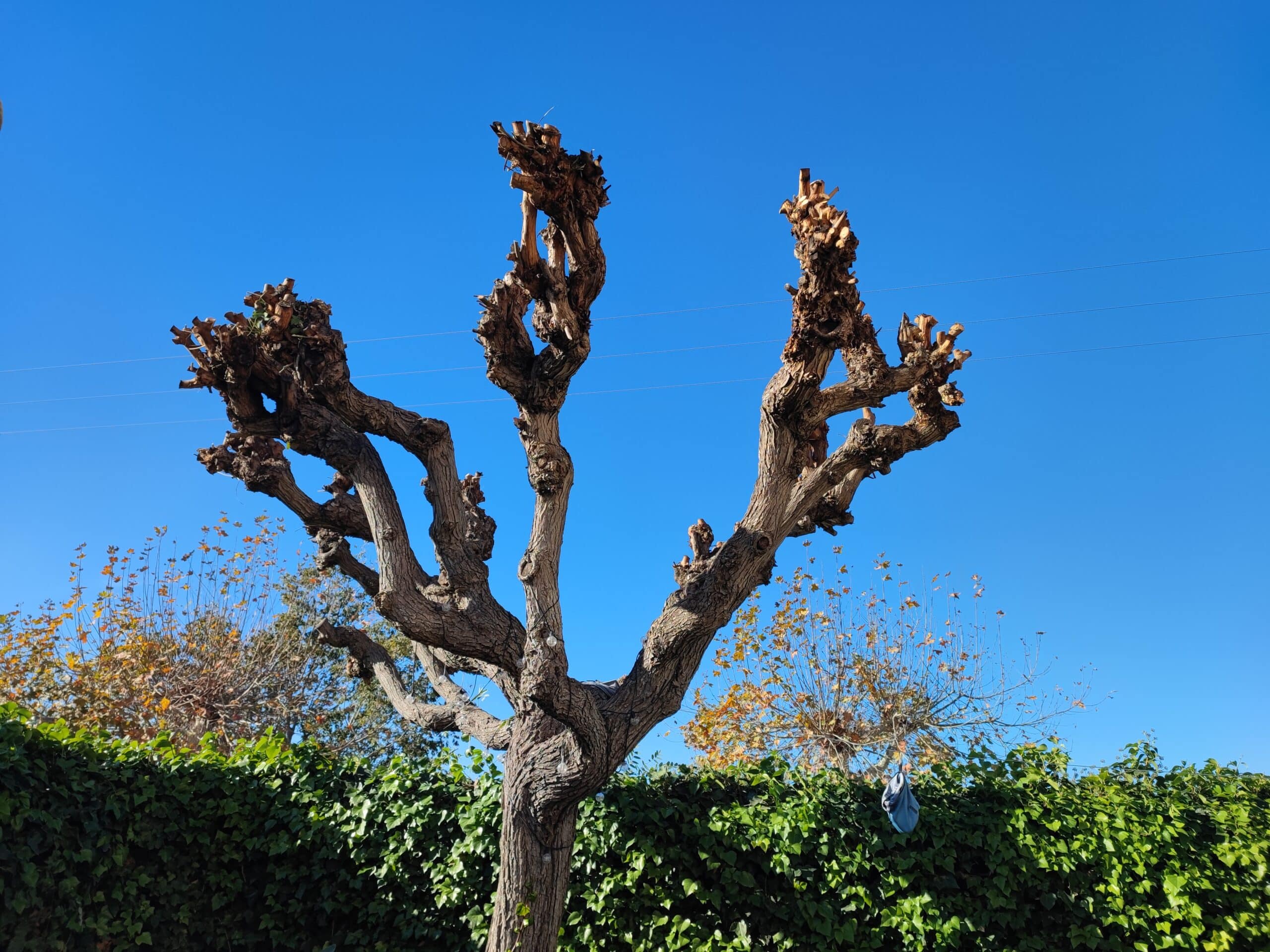
- Removing dead or diseased branches
- Light pruning to maintain shape and airflow
Important note: Good gardeners prune according to plant type and time of year—over-pruning at the wrong time can reduce flowering or weaken plants.
5) Hedge & shrub care (as scheduled)
Hedges and shrubs are usually maintained on a rotating schedule, not every visit.
Typical tasks:
- Hedge trimming and shaping
- Shrub pruning and thinning
- Reducing bulk near windows, gates, and pathways
- Cleaning up inside the hedge line (fallen leaves / branches)
Why it matters: Regular shaping prevents heavy cut-backs later (which are more expensive and harder on the plant).
6) Tree checks and light tree work (where safe)
A maintenance visit may include basic tree care, such as:
- Removing low-hanging or dead branches (small scale)
- Checking for rubbing branches or damage
- Advising if a larger prune should be scheduled
Safety note: Large tree pruning is often quoted separately and may require specialist equipment.
7) Mulch and soil care (periodic)
Soil health is the foundation of an easy-to-maintain garden.
Depending on your plan, maintenance may include:
- Topping up mulch (bark, compost, decorative gravel)
- Light soil conditioning or compost addition
- Checking for compacted areas or water runoff issues
Benefits: Fewer weeds, better moisture retention, and healthier plants.
8) Fertilising and feeding (seasonal schedule)
Professional maintenance often includes a seasonal feeding plan:
- Lawn fertiliser (spring/summer, sometimes autumn)
- Slow-release fertiliser for shrubs and flowering plants
- Targeted soil amendments (when needed)
Why it matters: Correct feeding improves colour, growth, flowering, and resilience—without “forcing” weak, pest-prone growth.
9) Pest and disease monitoring (and early action)
A professional doesn’t wait until the garden is in trouble.
Typical actions:
- Checking common problem plants for pests (aphids, mites, scale, etc.)
- Spotting early signs of fungus, rot, nutrient deficiencies
- Recommending eco-friendly controls where possible
- Applying agreed treatments (if included in your service)
Note: Some chemical treatments may be quoted separately or require specific approvals, depending on your area and approach.
10) Irrigation & water checks (basic)
Even a simple check can prevent major plant loss.
Typical tasks:
- Quick visual inspection of irrigation lines and emitters
- Checking for leaks, blocked drippers, misdirected sprinklers
- Noting dry zones and adjusting where agreed
Optional upgrade: Seasonal irrigation tuning is a high-value add-on many clients choose.
11) Paths, patios & general tidy-up
A professional maintenance visit often includes “finish work”:
- Blowing / sweeping paths and patios
- Clearing leaves and debris from key areas
- Tidying around bins, gates, and entrances
- Light clean-up to keep outdoor areas usable
12) Green waste removal & leaving the site clean
A quality service ends with a clean finish.
This usually means:
- Bagging green waste or stacking for removal
- Leaving lawns, borders, and hard surfaces neat
- Removing debris so you don’t “see the visit” afterwards, only the results
Tip: Always confirm whether green waste removal is included in your plan or offered as an add-on.
What’s not always included (often quoted separately)
To avoid misunderstandings, here are items that many companies treat as separate:
- Heavy tree surgery / large-scale pruning
- Major garden clearances (overgrown / abandoned gardens)
- Landscaping builds (patios, walls, new beds)
- New planting design and full replanting
- Irrigation installation / major repairs
- Large waste removal (skip hire / multiple loads)
How long should a maintenance visit take?
That depends on garden size and frequency. As a rough guide:
- Small gardens: 30–60 minutes
- Medium gardens: 1.5 – 3 hours
- Large villas/complex gardens: half-day or team visit
Consistency matters more than occasional long visits. Regular maintenance keeps the garden under control and reduces cost over time.
Want a maintenance checklist tailored to your garden?
If you’d like, we can recommend the right visit frequency (weekly / fortnightly) and a seasonal plan based on your garden type, sun exposure, and planting style.
Contact Sage Green Gardening for a free, no-obligation quote – send your location and a few photos, and we’ll reply with a clear plan and pricing.